
Choosing a Dehumidifier for Humid Rooms and Rainy Weather
Choose a dehumidifier by checking room conditions, extraction rating, humidistat, tank and drainage, noise, operating temperature, energy use, and moisture-source control.
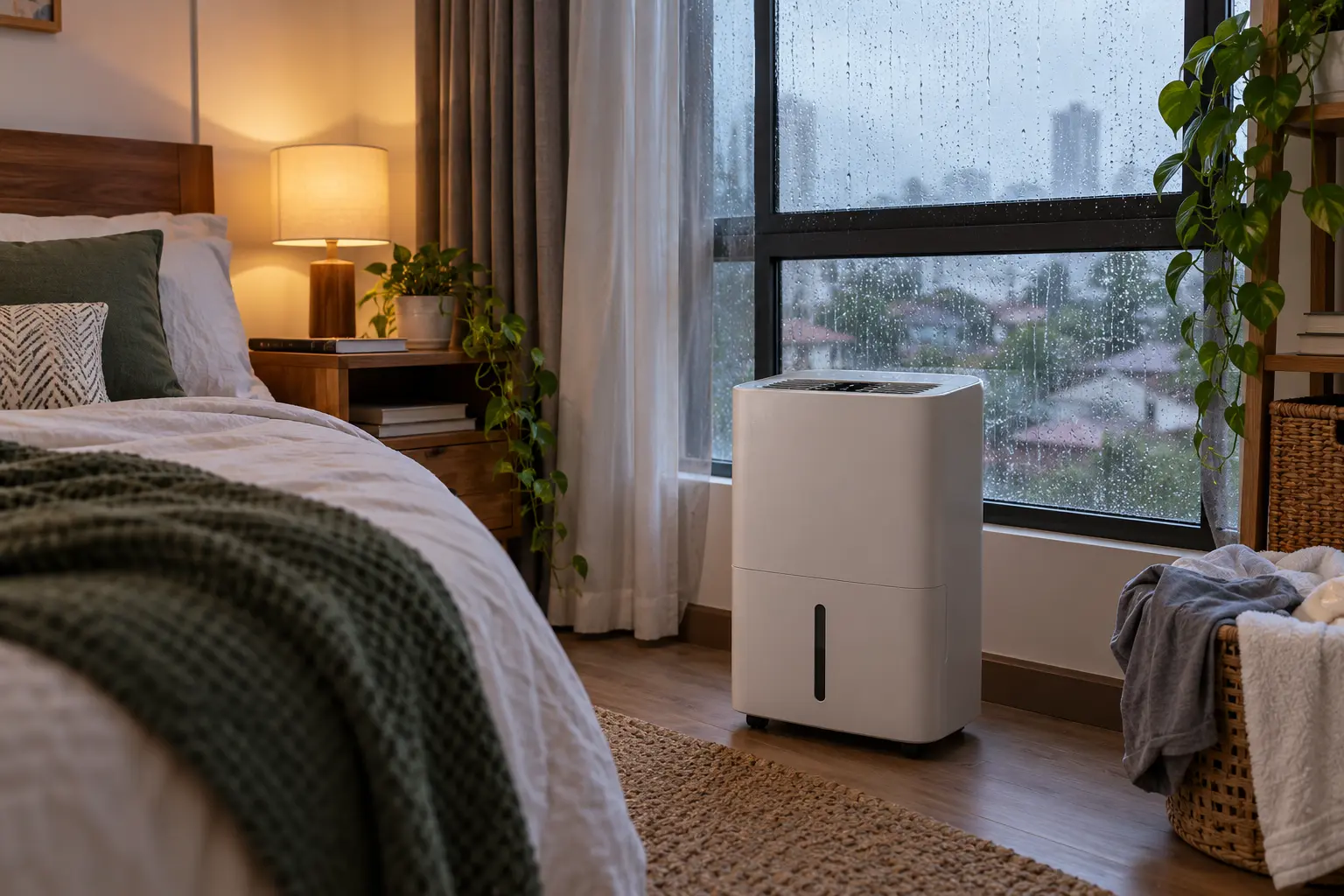
Image disclosure: All images in this article are AI-generated illustrations. They are not photographs of actual products or evidence of product testing.
Introduction
A dehumidifier can help a room that feels persistently damp, develops condensation, or leaves clothes and cabinets smelling musty during rainy weather. It removes moisture from air, but it cannot repair a roof leak, waterproof a wall, or replace ventilation and source control.
The useful size depends on room area, temperature, starting humidity, airflow, and how much moisture enters. Ratings measured under warm, humid test conditions may look different from performance in a cooler bedroom. A humidity meter can help confirm whether the problem is ongoing rather than based only on how the room feels.
At a Glance Key Factors to Consider
Factor | Why it matters | Quick tip |
|---|---|---|
Moisture source | Leaks, wet materials, cooking, drying clothes, and poor ventilation need different solutions. | Fix water entry first and use the machine as support. |
Extraction rating | Litres per day depends on test temperature and humidity. | Compare ratings under the same standard and conditions. |
Humidistat and target | Automatic control avoids running constantly after the target is reached. | Aim for the manufacturer’s recommended range; EPA guidance generally advises below 60 percent, ideally around 30–50 percent. |
Tank and drainage | Small tanks require frequent emptying; continuous drains need correct slope and placement. | Choose a safe routine that works even when nobody is home. |
Noise and heat | Compressors and fans make sound and release some heat into the room. | Check realistic operating modes for bedrooms. |
Maintenance and safety | Filters, tanks, coils, and hoses need cleaning and drying. | Keep the unit upright, vents clear, and away from splashes. |
Moisture source
Leaks, wet materials, cooking, drying clothes, and poor ventilation need different solutions. Fix water entry first and use the machine as support.
Think about how this point affects an ordinary weekday rather than an ideal demonstration. The feature should suit the household's usual batch, room, schedule, or serving pattern without adding avoidable work.
Extraction rating
Litres per day depends on test temperature and humidity. Compare ratings under the same standard and conditions.
Marketplace listings often compress important conditions into a few words. Read the exact model manual or official specification so the limits, required accessories, and operating steps are understood before purchase.
Humidistat and target
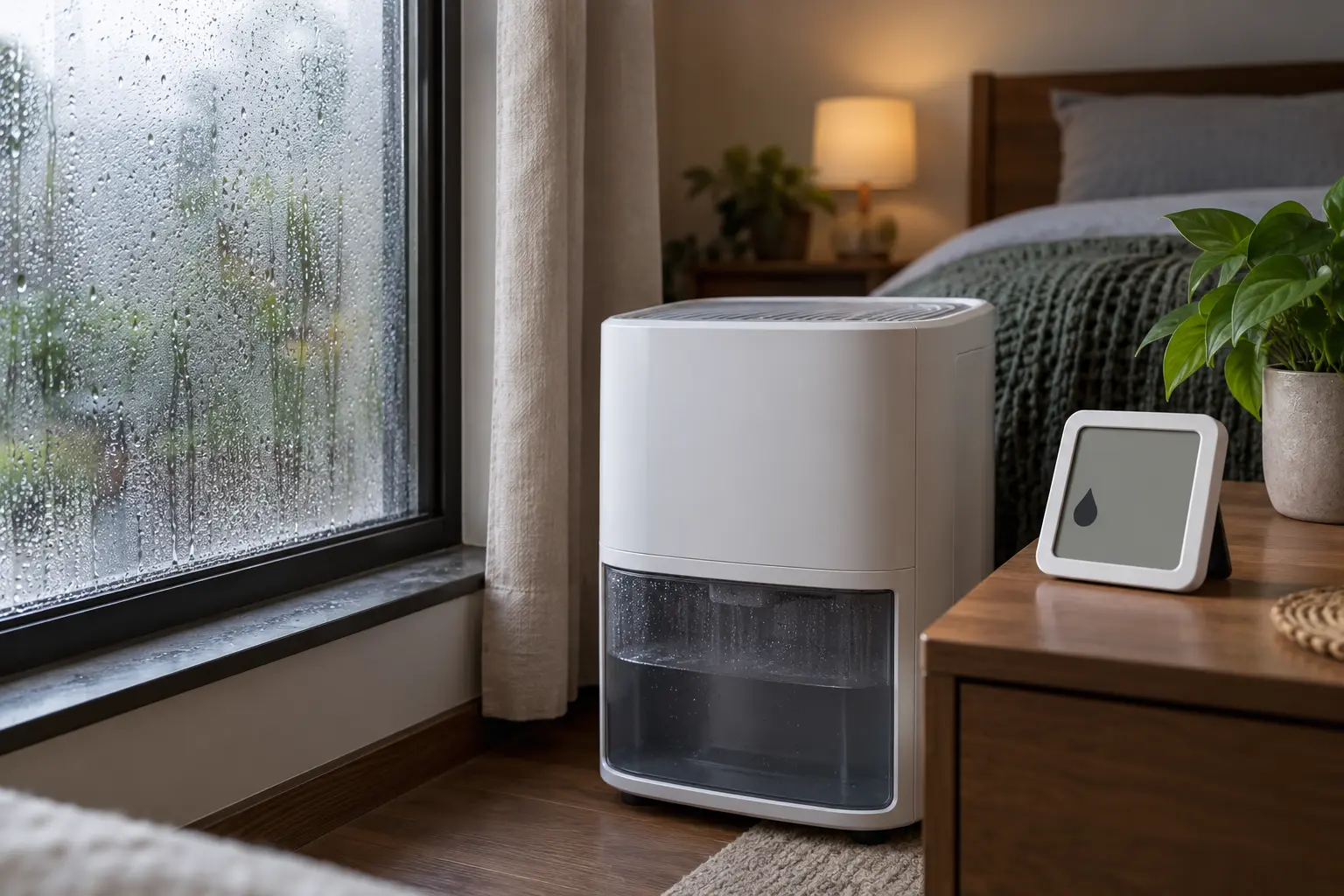
Automatic control avoids running constantly after the target is reached. Aim for the manufacturer’s recommended range; EPA guidance generally advises below 60 percent, ideally around 30–50 percent.
Picture where the appliance will be placed, who will operate it, and what must happen before and after every use. A convenient feature can become frustrating when setup, storage, or cleanup does not fit the home.
Tank and drainage
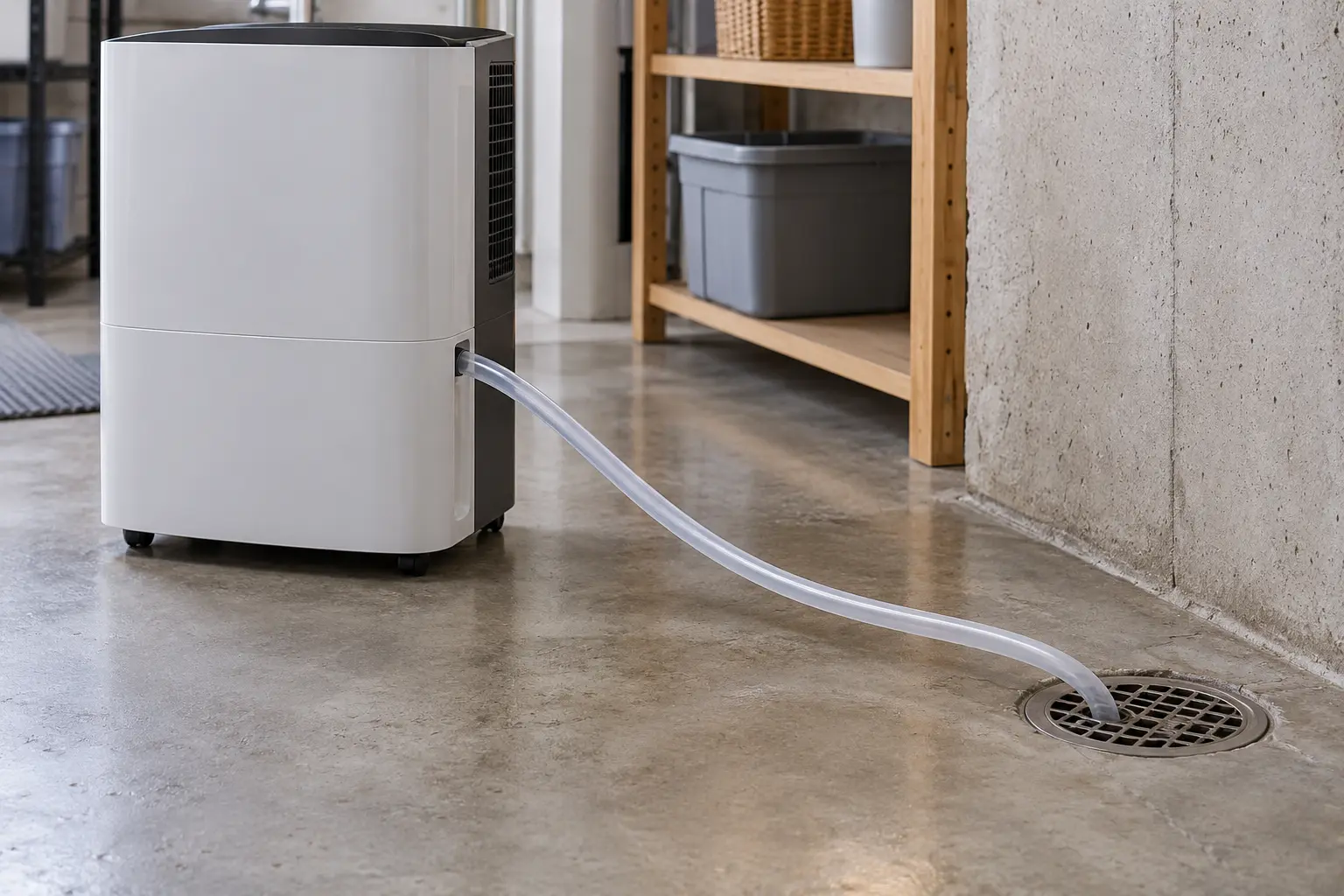
Small tanks require frequent emptying; continuous drains need correct slope and placement. Choose a safe routine that works even when nobody is home.
This feature adds value only when it works at the setting the household will use regularly. Give more weight to clear controls and repeatable everyday operation than to a dramatic claim shown under special conditions.
Noise and heat
Compressors and fans make sound and release some heat into the room. Check realistic operating modes for bedrooms.
Safety and maintenance belong in the buying decision, not only after delivery. Check the cleaning instructions, electrical requirements, ventilation or clearance, food-contact parts, and any warning that applies to the exact design.
Maintenance and safety
Filters, tanks, coils, and hoses need cleaning and drying. Keep the unit upright, vents clear, and away from splashes.
Finally, compare ownership rather than purchase price alone. Replacement parts, filters or accessories, electricity, water, cleaning effort, warranty coverage, and local service can change which model is genuinely sulit over time.
Recommended by Household Need
For a bedroomPrioritize quiet control, a dim display, suitable operating temperature, and safe tank handling.
For laundry dryingUse adequate airflow and room capacity, while keeping clothes and water away from the appliance.
For cabinets and storage roomsA whole-room unit needs air circulation; tiny disposable absorbers are a different product.
For visible mold or leaks
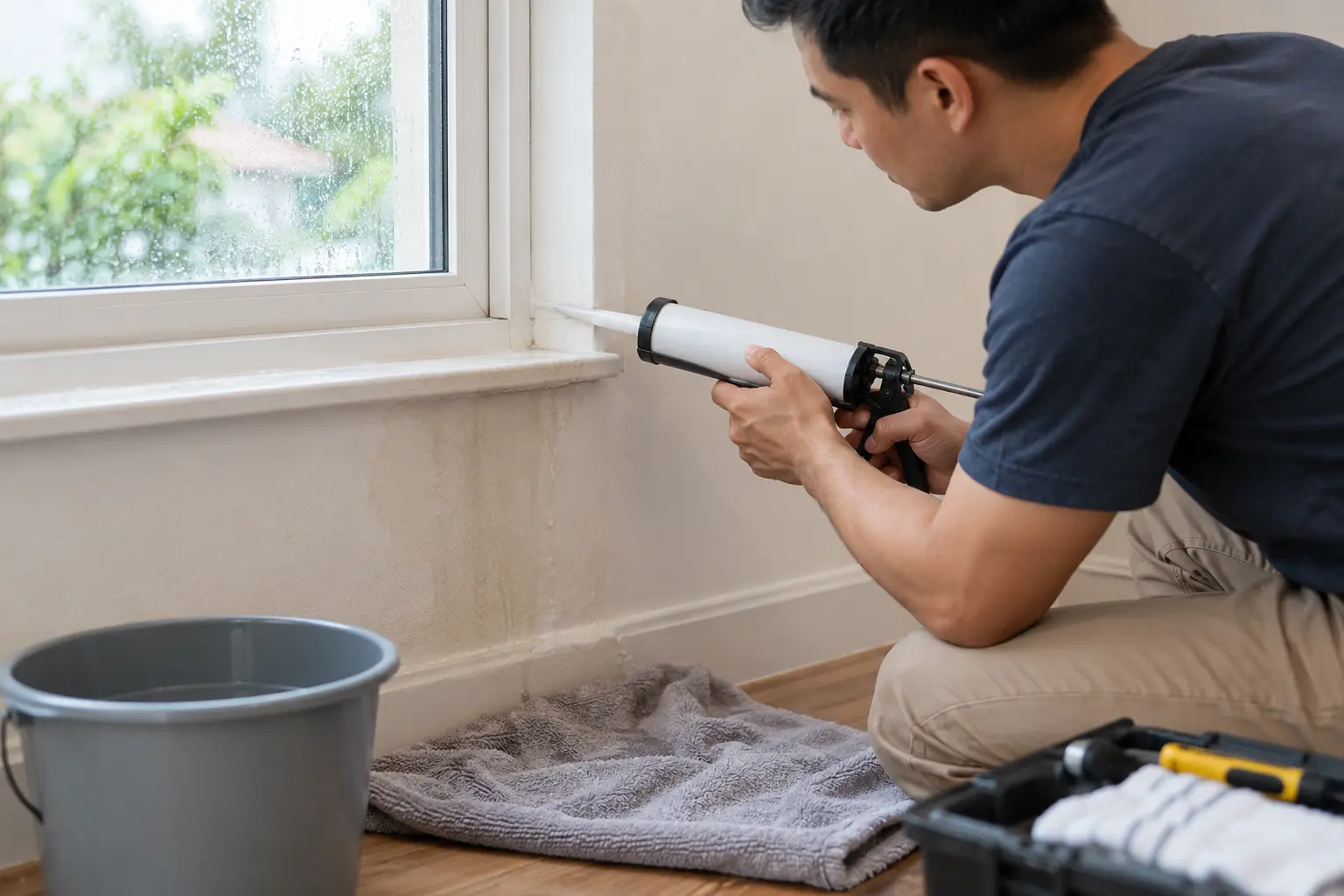
Address the moisture source and clean safely. A dehumidifier alone does not remove established mold.
Common Mistakes to Avoid
Buying before identifying a leak or moisture source.
Comparing litres-per-day ratings from different test conditions.
Setting humidity extremely low and running continuously.
Letting the tank or drain hose become dirty.
Placing the unit against walls, curtains, or wet laundry.
Expecting it to cool a room like an air conditioner.
Questions to Ask Before Buying
Have I checked moisture source for the exact model and my normal household use?
Have I checked extraction rating for the exact model and my normal household use?
Have I checked humidistat and target for the exact model and my normal household use?
Have I checked tank and drainage for the exact model and my normal household use?
Have I checked noise and heat for the exact model and my normal household use?
Have I checked maintenance and safety for the exact model and my normal household use?
Are the voltage, plug, installation requirements, warranty, service centre, and replacement parts suitable for the Philippines?
XploreSulit Summary
Choose a dehumidifier after confirming the moisture problem and fixing any leak or water entry. Match the rating to the room and test conditions, then prioritize automatic humidity control, manageable drainage, acceptable noise, and easy cleaning.
Choose the simplest model that meets the real need and can be used, cleaned, stored, and maintained safely. Verify any model-specific specification or seller claim before adding a product or affiliate link to the published guide.
Editorial Notes
This is an independently edited, criteria-based buying guide—not a hands-on test or ranked product roundup.
Frequently Asked Questions
It can make conditions less favourable for growth, but it does not remove existing mold or repair the moisture source.
Follow the model guidance. EPA advises keeping indoor humidity below 60 percent and ideally in the 30–50 percent range where practical.
The fan and moisture-removal process release heat into the room during operation.
Only with a secure installation that follows the manual and drains safely without kinks, backflow, or overflow risk.