
How to Choose Activewear for Walking and Everyday Exercise
Choose exercise clothing that lets you move comfortably and suits your usual activity, weather, coverage preferences and laundry routine.
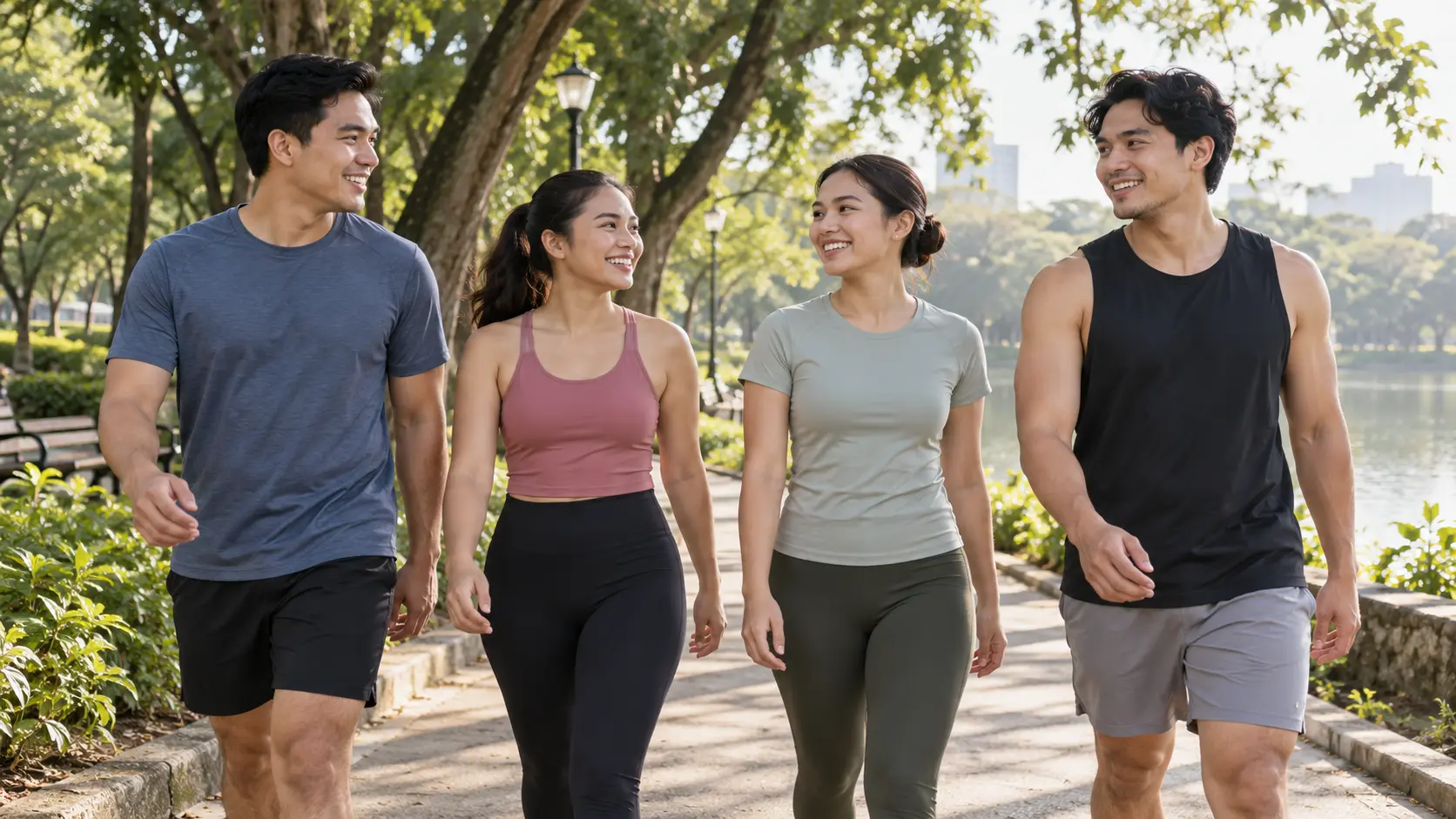
Image disclosure: All images in this article are AI-generated illustrations. Any people, products, interfaces, places, or scenes shown are fictional or generic and do not depict real individuals, specific commercial products or retailers, actual software interfaces, test or medical results, camera samples, or real-world events.
Introduction
You do not need a complete new outfit to start a morning walk. Clothes you already own may work well. When you do buy activewear, it helps to think beyond matching colors: a waistband that rolls, shorts that ride up or a shirt that stays damp can become distracting during exercise.
Start with the activity you actually do, such as a neighborhood walk, simple home exercises or a gym session. Check movement and coverage, then compare fabric, seams and useful details. Spend on the pieces that solve a problem in your routine.
Buying Factors
Factor | Why it matters | What to check |
|---|---|---|
Movement | Comfort through the activity | Walking, reaching, bending and waistband stability |
Fabric | Feel during sweating and drying | Fiber label, construction and care |
Coverage | Confidence in different positions | Length, opacity and your personal preference |
Details | Daily usefulness | Seams, pockets, drawcords and closures |
Weather | Outdoor comfort and planning | Layers, shade and verified protection claims |
Buy for the Activity You Do
Walking to a nearby park asks different things from clothing than floor exercises or weight training. For a gentle walk, ordinary comfortable clothing may be sufficient. If you bend, stretch or use equipment, check whether the fabric restricts movement, rides up or hangs where it might get caught.
Make a short list of what currently bothers you. Perhaps your phone swings in a loose pocket, your shirt clings after sweating or your shorts bunch at the thighs. That list is a better shopping target than a performance label. You can buy one useful piece and test how it fits your routine before replacing everything.
Check Fabric Without Expecting Magic
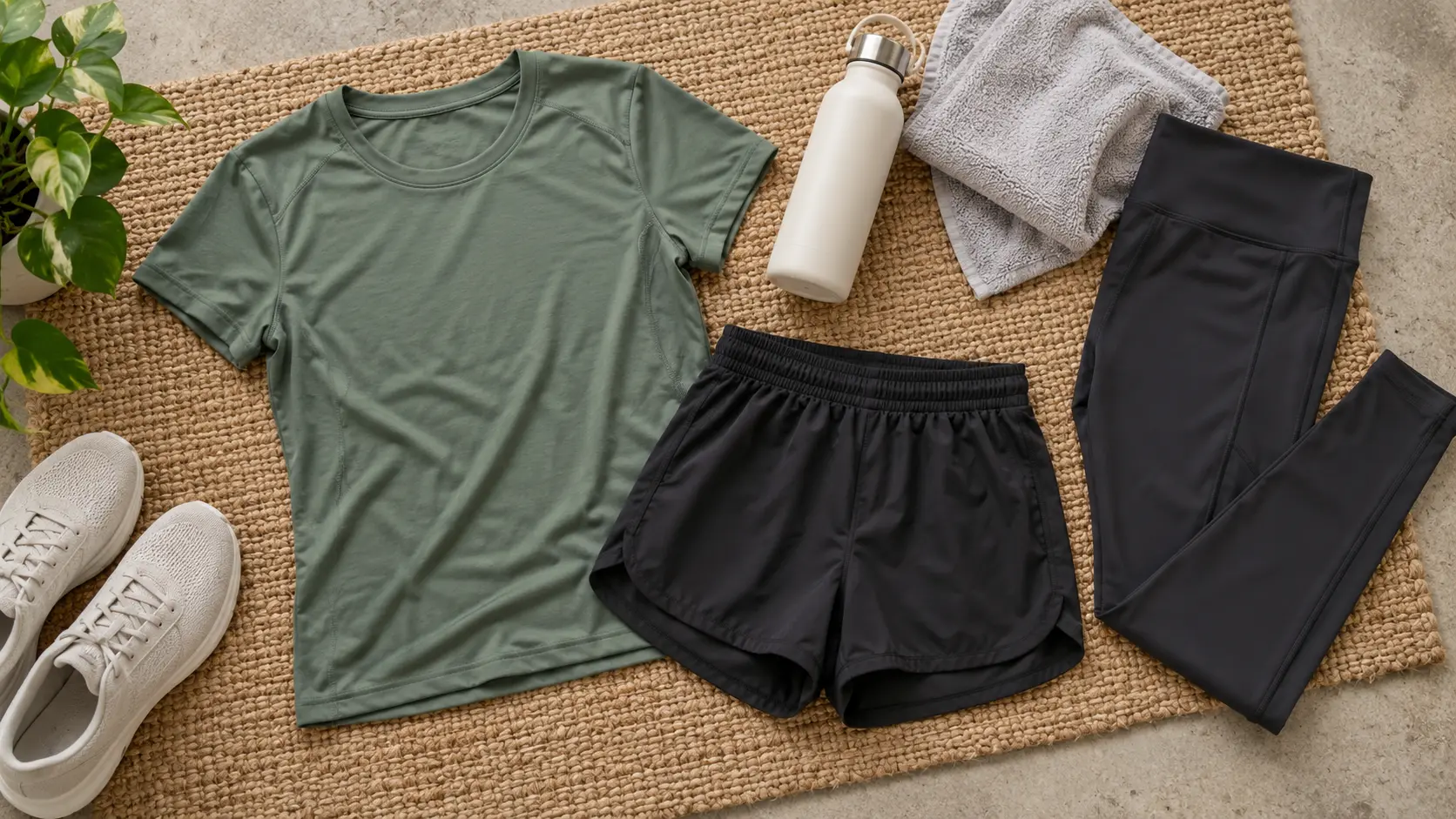
Fabric and fit matter alongside your coverage preferences. AI-generated illustration.
Moisture-wicking fabrics are designed to move moisture through the fabric toward the outer surface. Many exercise garments use synthetic fibers, but the fiber name alone does not establish how a particular shirt will feel or dry. Fabric construction, thickness, finishes, fit and conditions also matter.
Cotton can feel comfortable during gentle activity, though it often holds moisture longer after heavy sweating. Compare what suits your activity and preferences instead of treating one material as universally best. Marketing words such as cooling or breathable need product-specific evidence before you rely on them. Touch the garment, read its label and check the care requirements.
Move Before You Commit
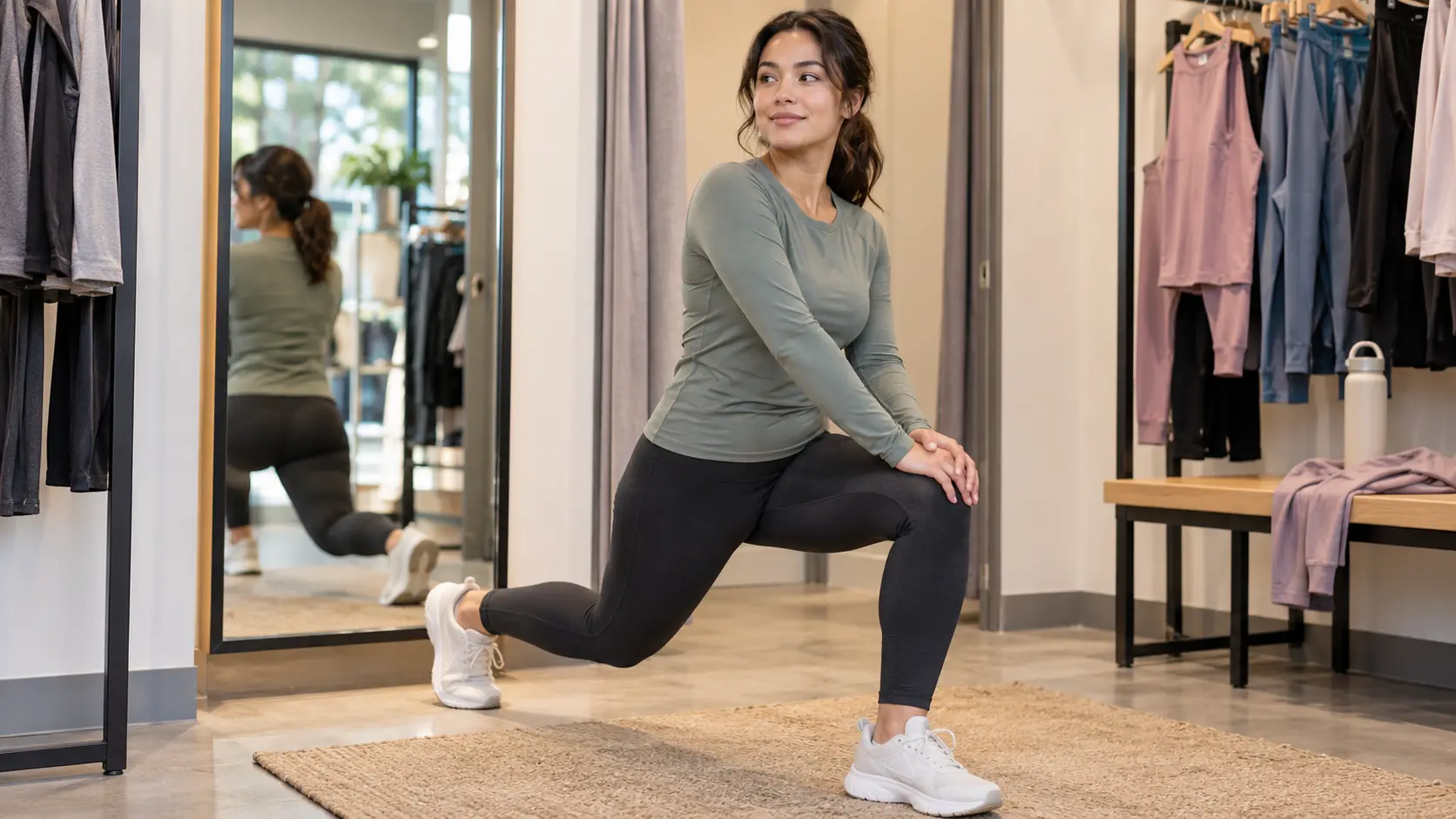
Try the movements you will use before committing to the fit. AI-generated illustration.
Try walking, sitting, reaching overhead and a gentle bend or lunge if that suits your activity. A waistband should stay in place without painful pressure. Check whether seams rub, a top pulls across the shoulders or cuffs restrict your ankles. A fitted garment can work, but tighter does not automatically mean better support or performance.
Do not assume compression wording promises recovery, pain relief or improved fitness. For everyday exercise, choose the fit that feels comfortable and allows the movements you need. If a garment only looks good while you stand still, another size or cut may be a better purchase.
Check Coverage and Opacity
Look at the garment in normal daylight as well as the changing-room lighting. Bend and sit to see whether hems rise or fabric becomes more transparent when stretched. Use the underwear you expect to wear when making this check. Color and fabric weight can change how much shows through.
Choose the coverage you prefer for your setting. A longer shirt, lined shorts or looser pants may feel more comfortable for some people; a fitted style may suit others. There is no need to choose a revealing or close-fitting outfit to exercise properly. Comfort and confidence should help you move freely.
Pay Attention to Seams and Pockets
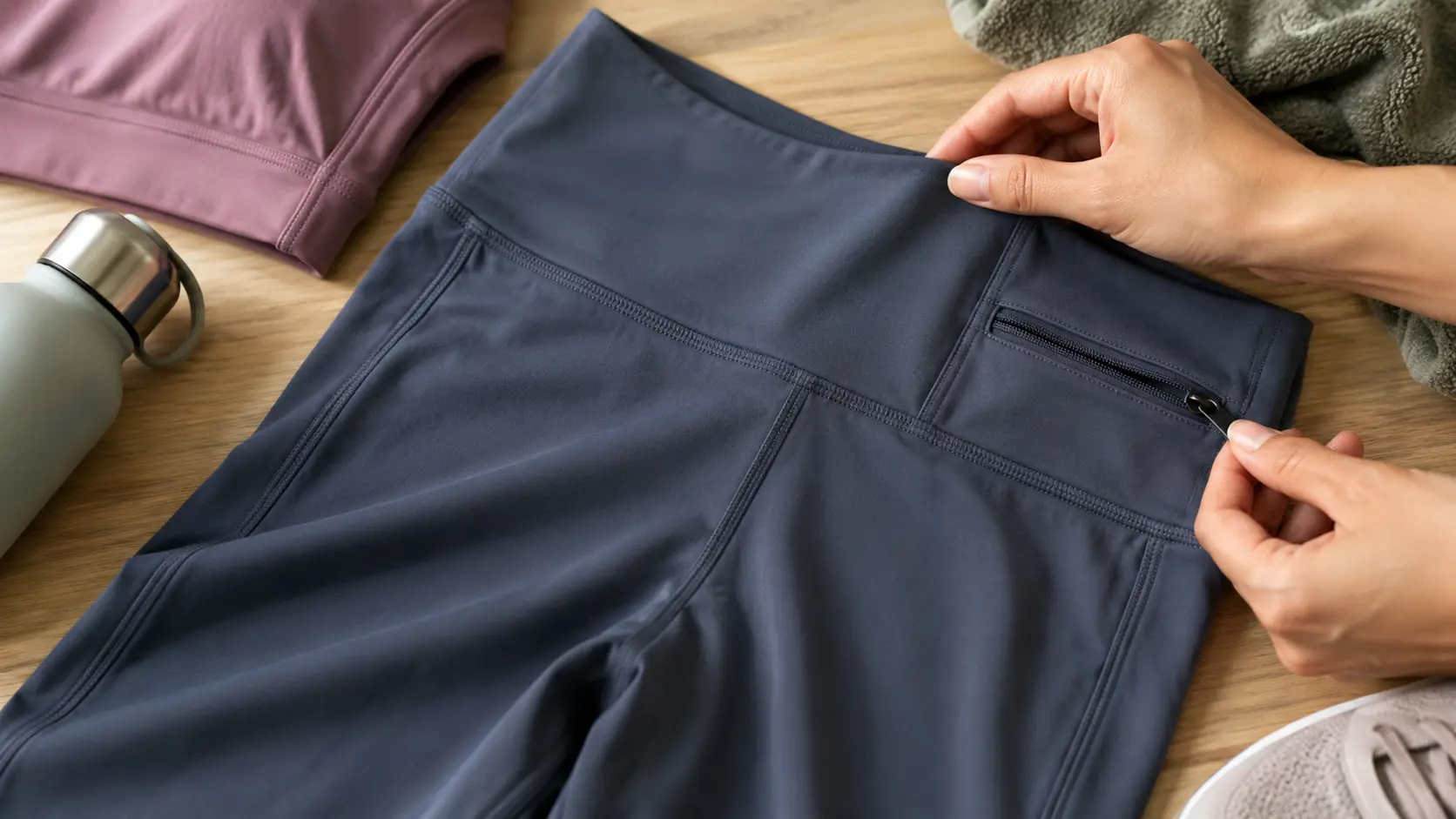
Check small details that can become distracting during movement. AI-generated illustration.
Run your fingers along seams and the waistband. A seam that feels rough before a walk may become more noticeable with movement. Check whether a drawcord has enough adjustment and whether a pocket actually fits your phone without pulling the garment out of shape.
A secure closure can help retain small items, but do not assume a fabric phone pocket protects against rain or sweat. Take only what you need and keep valuables protected appropriately. Decorative panels, extra zippers and matching accessories add little value if you would not use them in a normal session.
Dress for the Route and Weather
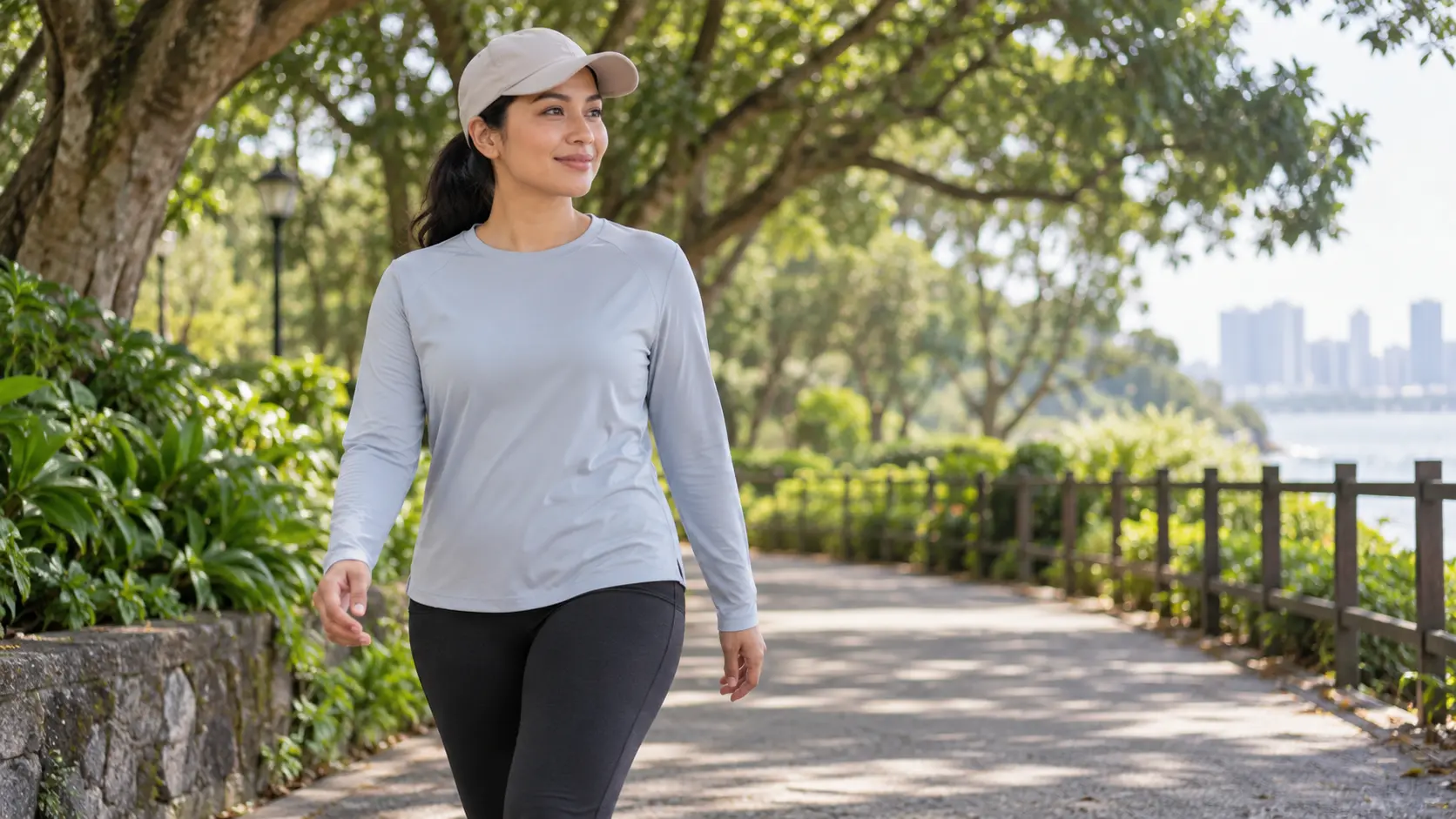
Coverage in an illustration is not evidence of a verified UPF rating. AI-generated illustration.
For a warm Philippine morning, choose a comfortable outfit you can move in and plan around shade, water breaks and the conditions. Long sleeves or a cap can provide coverage, but not every fabric has a verified ultraviolet protection rating. If a product claims a UPF rating, check the manufacturer’s documentation for that exact garment.
An evening walk may call for details that make you easier to notice, but reflective trim does not guarantee safety near traffic. Choose a well-lit route and remain attentive. Carry a light layer if you cool down in an air-conditioned room afterward; your outdoor outfit need not also serve as your rain jacket.
Make Care and Repeat Wear Practical
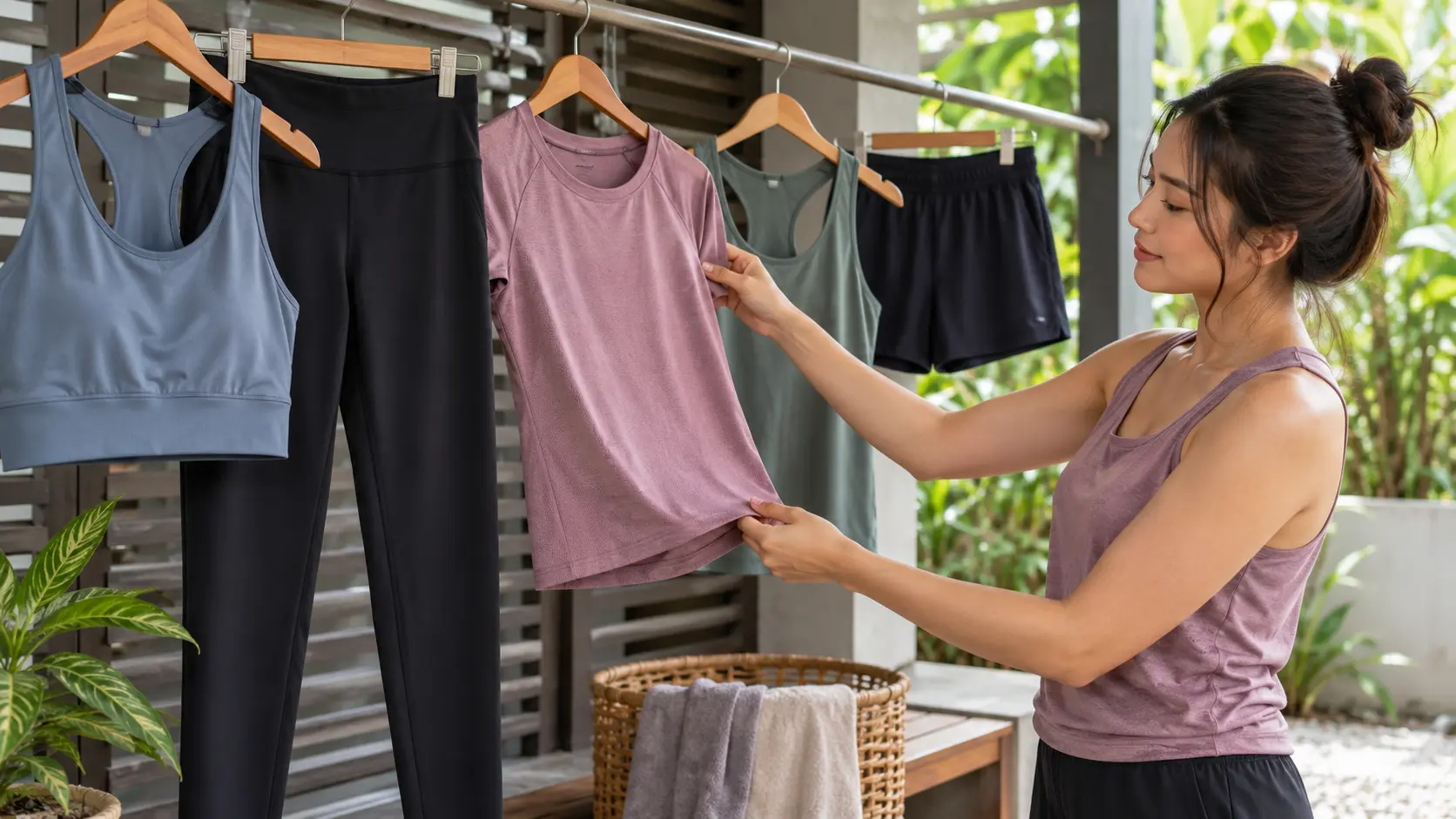
A useful outfit should also fit your laundry routine. AI-generated illustration.
Read the label before buying. Some performance fabrics require particular washing temperatures or advise against fabric softener because it can affect finishes. Follow the exact garment instructions rather than using one rule for all exercise clothing. Check whether you can wash and dry it easily between sessions.
When shopping online, compare body measurements with the model’s size chart and read return terms. Try garments indoors while keeping them eligible for exchange. A reasonably priced outfit that fits and gets repeated wear can serve you better than an expensive set that is awkward to move in.
Priorities for Your Routine
Routine | Give extra attention to |
|---|---|
Gentle neighborhood walking | Comfortable movement and coverage |
Exercise with bending or floor work | Opacity, seam feel and a stable waistband |
Sweat-heavy sessions | Fabric behavior, drying and suitable care |
Outdoor morning or evening walks | Weather planning and documented protection claims |
Common Mistakes to Avoid
Replacing all your clothing before knowing what you need.
Choosing tightness as proof of support or performance.
Checking opacity only while standing.
Assuming synthetic, cooling or breathable labels guarantee comfort.
Buying pockets that do not hold your actual phone securely.
Questions to Ask Before Buying
Which activity will I use this for most often?
Can I walk, bend and reach without adjustment or pressure?
Does the fabric provide the coverage I prefer when moving?
Are the pockets and seams useful and comfortable?
Can I wash and dry the garment as directed?
XploreSulit Summary
Buy activewear to make the activity easier to do comfortably. Start with fit, movement and coverage, then consider moisture handling and useful details. There is no need to pay for performance claims you cannot verify or features that do not fit your routine.
Editorial Notes
This is an independently edited, criteria-based buying guide based on published guidance and buying considerations; it is not hands-on testing or a ranked product review. No product pictured has been tested by XploreSulit.
Sources consulted in October 2026. Manufacturer guidance applies to that manufacturer’s products; it is not proof of performance for another brand.
Frequently Asked Questions
Not always. Comfortable clothes that allow movement may be enough for a gentle walk. Purpose-made activewear can be useful when it solves a specific issue with fit, sweat or storage.
It can work for lighter activity and personal preferences. It tends to hold moisture longer than many purpose-made wicking fabrics, which may matter when you sweat heavily.
They should fit securely without painful pressure or restricted movement. More tightness does not automatically improve exercise performance.
Check the label. Some moisture-wicking garments advise against it because residues can affect their finish.
Related Buying Guides
Choosing a Lightweight Jacket for Rainy Days and Cool Rooms
Compare rain shells, windbreakers and light indoor layers, then choose the jacket that suits your commute, comfort and packing space. Decide whether rain protection or indoor comfort matters most.