
How to Choose the Right Multicooker for Your Home
A practical guide to choosing a multicooker by cooking method, usable capacity, pressure features, controls, cleaning effort, counter space, electrical requirements, and long-term upkeep.
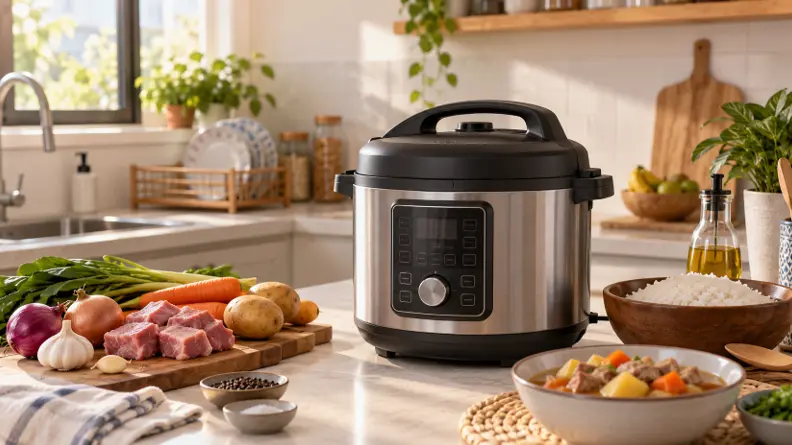
Image disclosure: Images and scenes in this article may be AI-generated for illustration purposes only. Any people, animals, places, products, interfaces, or events shown are fictional or generic and should not be interpreted as actual individuals, locations, commercial products, software interfaces, testing results, or real-world events.
Introduction
A multicooker can replace several everyday cooking steps, but only when its functions match the meals you actually prepare. A household that mainly cooks rice, lugaw, and steamed food may need something different from a family that regularly makes nilaga, beans, tough meat, yogurt, or slow-cooked dishes. The longest preset list is not automatically the best choice.
Begin with the cooking methods you will use every week. Then compare the pot’s usable size, pressure controls, cleanup, counter clearance, voltage, and access to replacement parts. For Philippine kitchens, it is also worth checking the rated voltage and plug, the warranty provider, and whether steam can vent safely without reaching a cabinet or wall.
Key Factors to Consider
Factor | Why it matters | Quick tip |
Cooking system | Some units pressure-cook; others are enhanced rice cookers or non-pressure cookers. | Confirm the exact cooking methods, not just the number of programs. |
Usable capacity | The maximum line, food expansion, and pressure-cooking limits reduce usable space. | Choose around normal family portions rather than rare celebrations. |
Pressure controls | Safe pressure cooking depends on the lid, seal, valve, and correct release method. | Prefer clear indicators and instructions you can follow confidently. |
Inner pot and heating | Pot material and heating control affect browning, sticking, durability, and care. | Choose a pot you are comfortable cleaning and replacing. |
Controls | Presets save button presses but cannot judge every recipe. | Look for clear manual time, temperature, and pressure adjustment. |
Cleaning and parts | Seals, valves, condensation collectors, and lids need regular care. | Check whether small parts are removable and locally available. |
Space and power | Steam, lid movement, heat, cord length, and wattage affect placement. | Measure the full operating space and use a suitable wall outlet. |
- Understand What Type of Multicooker You Are Buying
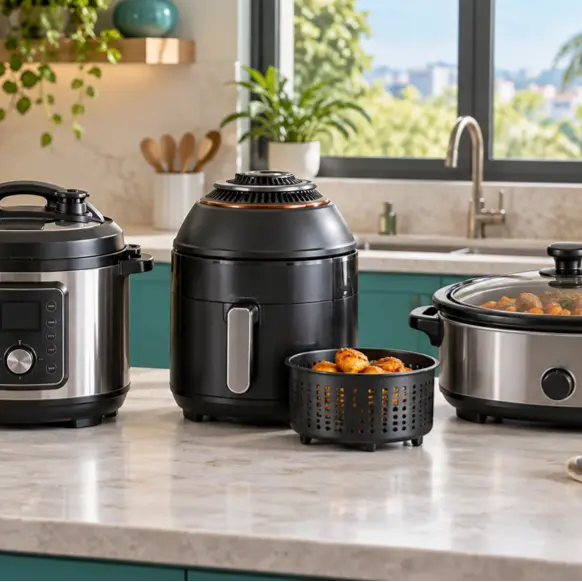
The word multicooker is broad. One model may combine pressure cooking, sautéing, steaming, rice cooking, and slow cooking. Another may look similar but work mainly as a rice cooker with programs for porridge, soup, or cake. Air-fry multicookers form another group and often need extra height or a second lid.
This distinction matters because the cooking experience changes. Pressure cooking can shorten the time needed for beans and tougher cuts, but it adds sealing, pressure-release, and maintenance steps. A non-pressure model may feel simpler for rice and gentle simmering. Before comparing features, write down five dishes your household makes often and match each one to a supported cooking method.
- Choose Capacity by Real Portions
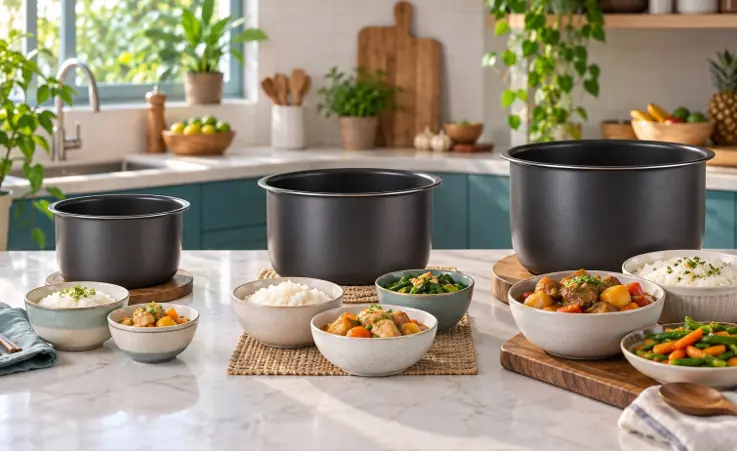
Capacity figures describe the pot, not the amount you can safely fill for every recipe. Rice, beans, grains, and foamy foods can expand. Pressure models also have maximum-fill markings that must be followed. A large nominal capacity therefore does not mean the entire pot is available for food.
For one or two people, a smaller pot may be easier to lift, wash, and store. A larger household may benefit from more room for soup, adobo, or batch cooking, but an oversized unit can be awkward for small portions. Check the inner-pot dimensions, minimum cooking quantity, and the manufacturer’s fill guidance before deciding.
- Look Closely at Pressure Safety and Steam Release
If the model cooks under pressure, the lid, sealing ring, float indicator, steam valve, and safety locks are central parts—not minor accessories. The controls should make it obvious when pressure remains inside. Read the release instructions before buying, especially if you are new to pressure cooking.
Steam needs a clear path away from faces, hands, shelves, and electrical outlets. Some recipes call for a natural release, while others allow a controlled quick release; the correct method depends on the recipe and the manufacturer’s instructions. Never force the lid open or assume every food can be released in the same way.
- Check the Pot Controls and Useful Accessories
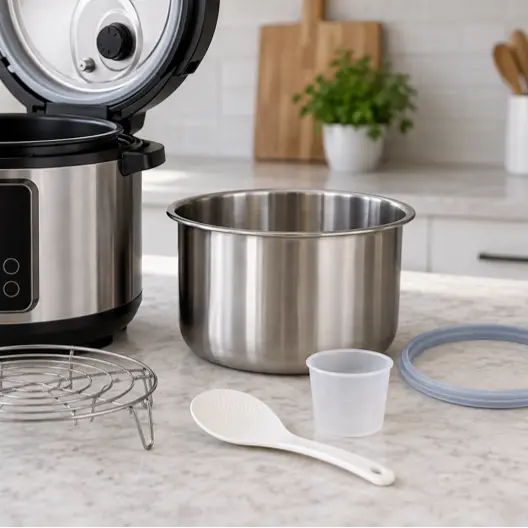
Stainless-steel pots are durable and tolerate metal utensils better in many cases, while coated pots can release rice and sticky food more easily but need gentler tools and care. Neither option is automatically better for everyone. Check whether a replacement pot is sold for the exact model.
Clear manual adjustments matter more than a crowded preset panel. Useful controls may include adjustable cooking time, pressure level, sauté heat, delayed start, and keep-warm settings. A steam rack can be practical; extra cups and paddles add little value if they duplicate items already in your kitchen. Treat an air-fry lid, sous-vide mode, or app connection as worthwhile only if you expect to use it regularly.
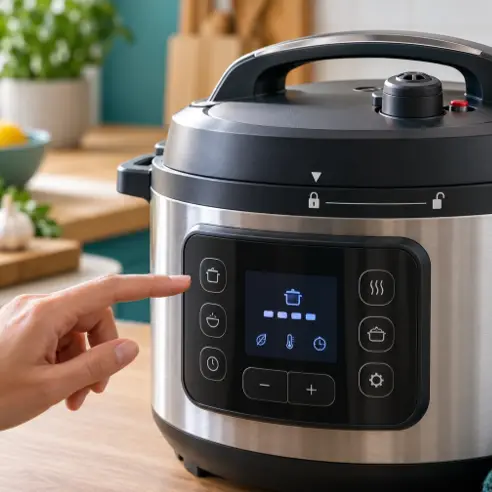
- Consider Cleaning and Long Term Ownership
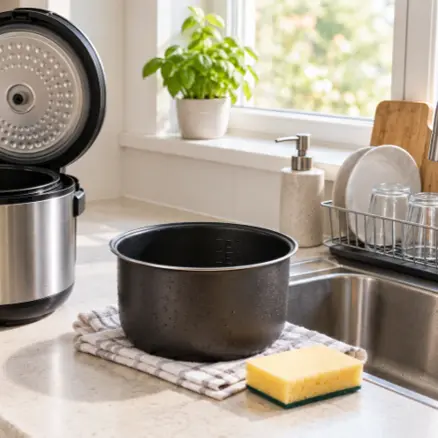
The inner pot is only one part of cleanup. Pressure models may also require the sealing ring, anti-block shield, steam valve, lid channel, and condensation collector to be inspected or washed. Food odors can remain in a silicone ring, so some households keep a second compatible ring for sweet or mild dishes.
Before buying, check how the lid comes apart, whether the small components are easy to reinstall, and whether seals, valves, pots, and other wear items are available locally. A model with fewer advertised functions may be the better long-term purchase if its parts and service support are easier to obtain.
- Measure the Counter and Check the Electrical Details
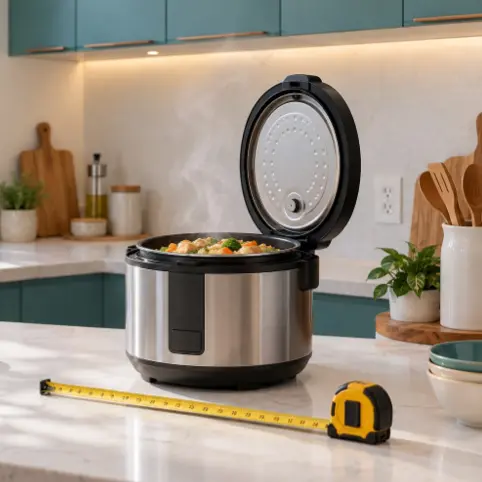
Measure more than the appliance footprint. Allow room for the lid to open, for steam to vent, and for the cooker to remain stable while you stir or remove the pot. Avoid placing it directly below a low cabinet unless the manual permits the available clearance.
Confirm the voltage, frequency, plug, wattage, cord length, warranty, and applicable Philippine safety markings or documentation before paying. Use the outlet arrangement recommended by the manufacturer. High-wattage cooking appliances should not be connected through an unsuitable adapter or overloaded extension.
Recommended by Household Need
For rice and simple daily meals
A straightforward non-pressure multicooker or advanced rice cooker may be enough. Favor predictable rice settings, an easy-to-clean pot, and controls that other family members can understand without opening the manual each time.
For beans soups and tougher meat
A pressure-capable model can be useful when these dishes appear regularly. Give more weight to the lid design, pressure indicator, release method, and replacement sealing rings than to decorative presets.
For batch cooking
Choose enough usable space for the portions you normally freeze or refrigerate, while respecting fill limits. Also check whether the inner pot fits comfortably in your sink and whether you can lift it safely when full.
For a small kitchen
A multifunction unit can reduce appliance clutter, but only if it genuinely replaces tools you already use. Include open-lid height, steam clearance, and accessory storage in your measurements.
Common Mistakes to Avoid
Counting presets instead of checking which cooking methods the machine actually supports.
Choosing capacity from the headline number without considering fill lines, food expansion, and normal portions.
Treating every multicooker as a pressure cooker—or assuming every pressure model releases steam in the same way.
Ignoring the cost and availability of sealing rings, valves, inner pots, and authorized service.
Placing the cooker where steam reaches cabinets, walls, outlets, or a person standing nearby.
Using abrasive tools on a coated pot or immersing the electrical base during cleaning.
XploreSulit Summary
The right multicooker is not the one with the most buttons. It is the model whose cooking system fits your regular meals, whose capacity works for ordinary portions, and whose lid, controls, and cleanup you can manage safely. For many households, dependable rice, sauté, steam, and pressure functions are more valuable than a long list of rarely used programs. Choose only after checking the manual, replacement parts, counter space, electrical requirements, and local warranty support.
Frequently Asked Questions
Not always. Some multicookers include electric pressure cooking, while others combine non-pressure functions such as rice cooking, steaming, simmering, or slow cooking. Confirm the exact functions of the model.
Many models can cook rice, but results and minimum quantities vary. If rice is prepared every day, check whether the rice program, pot size, cleanup, and keep-warm behavior suit your household before removing a dedicated rice cooker.
There is no single size for every family. Compare the safe usable capacity with your usual portions, remembering that expanding foods and pressure recipes may require lower fill limits.
Not necessarily. Presets are convenient starting points, but clear manual controls, reliable safety features, easy cleaning, and available parts usually matter more over time.
Follow the manufacturer’s instructions. Do not treat every program as suitable for unattended operation, and keep the cooker on a stable surface with the required ventilation and steam clearance.
Related Buying Guides
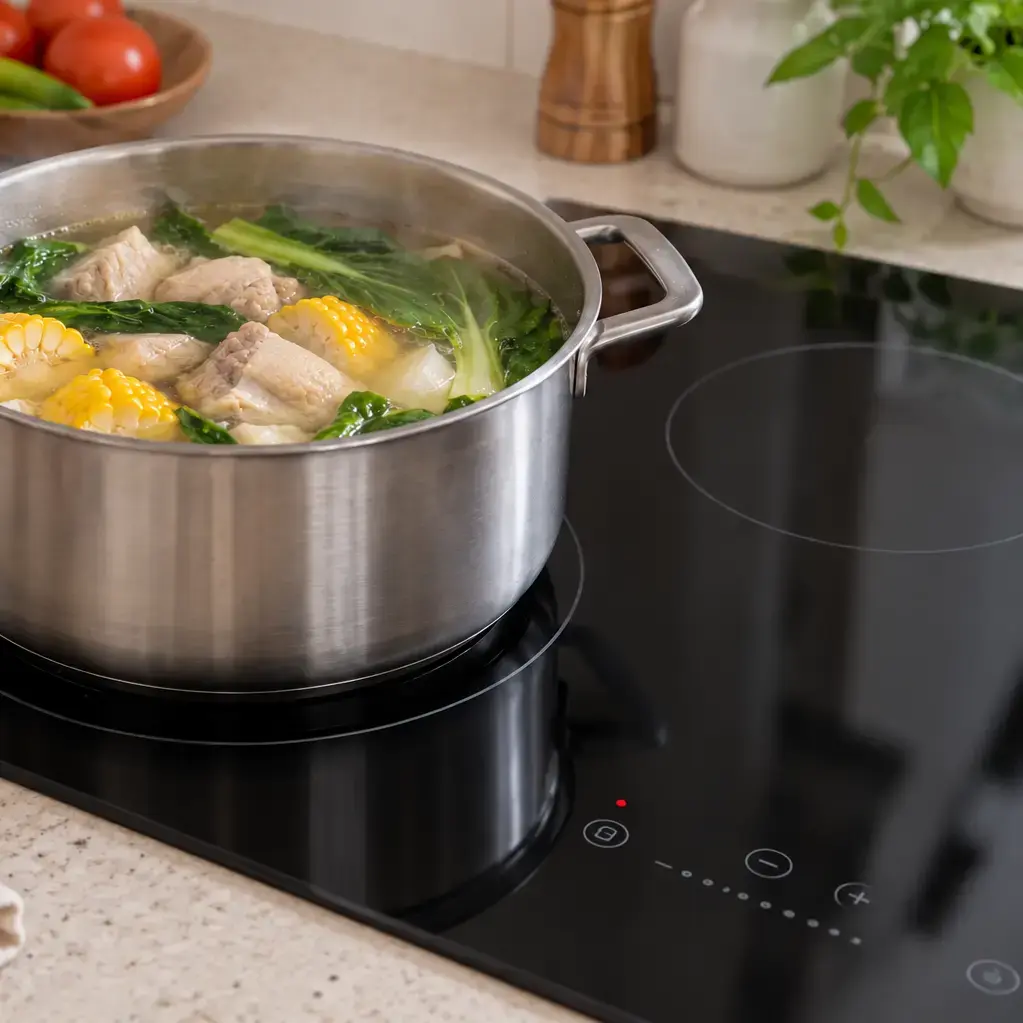
Choosing an Induction Cooker for Everyday Home Cooking
Choose an induction cooker by checking cookware compatibility, power levels, controls, ventilation, electrical requirements, safety, and daily cooking needs.
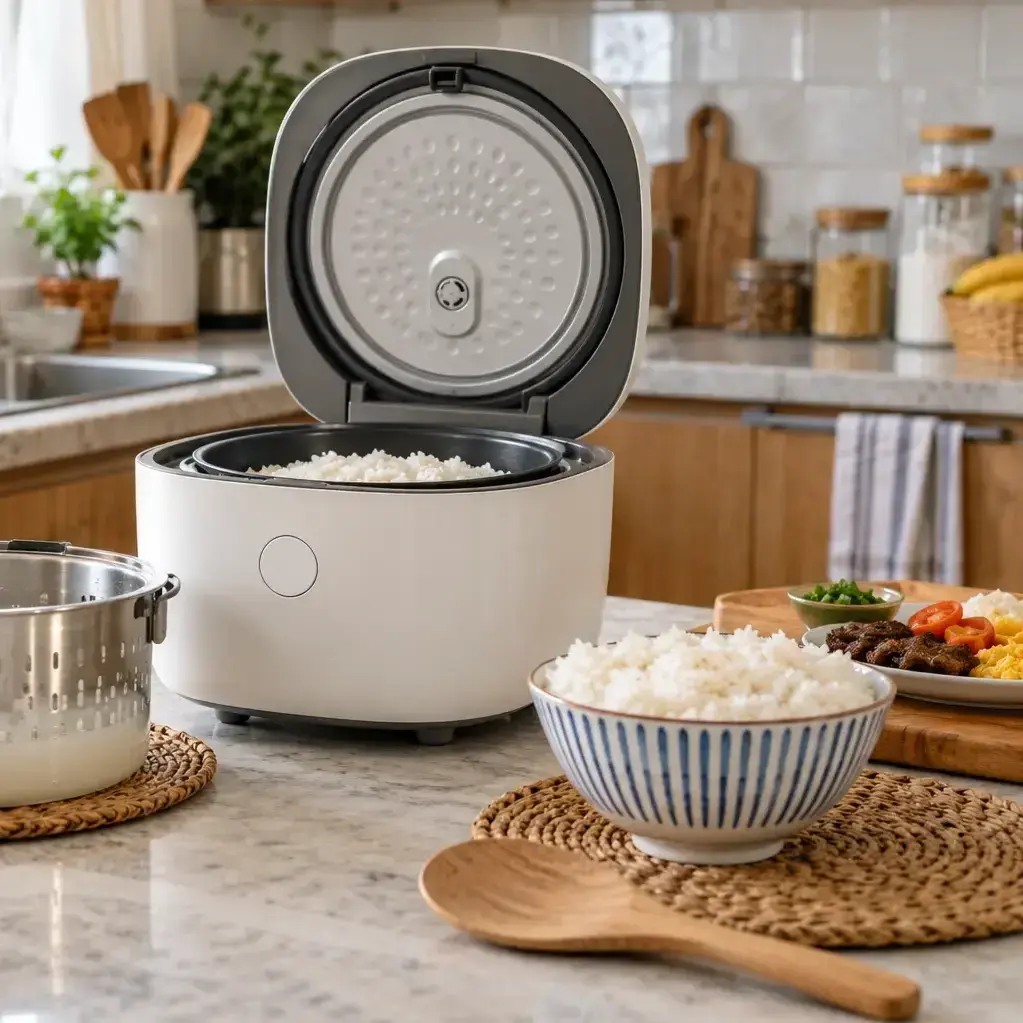
Should You Consider a Low-Carb Rice Cooker?
A guide to low-carb rice cookers, including how starch-separation baskets work, realistic expectations, capacity, texture, cleaning, safety, and cost.
Selecting a Coffee Maker That Fits Your Daily Routine
A practical guide to selecting a home coffee maker based on brewing method, suitable capacity, consistent coffee quality, everyday convenience, cleaning needs, and long-term cost.