
Selecting a Coffee Maker That Fits Your Daily Routine
A practical guide to selecting a home coffee maker based on brewing method, suitable capacity, consistent coffee quality, everyday convenience, cleaning needs, and long-term cost.
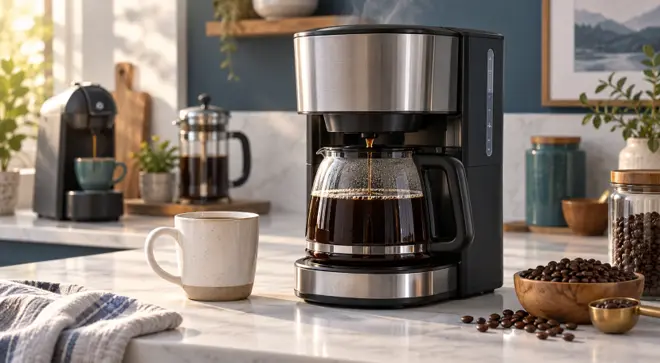
Image disclosure: Images and scenes in this article may be AI-generated for illustration purposes only. Any people, animals, places, products, interfaces, or events shown are fictional or generic and should not be interpreted as actual individuals, locations, commercial products, software interfaces, testing results, or real-world events.
Introduction
The best coffee maker for your kitchen is the one that fits an ordinary morning. A single person preparing one mug before work needs something different from a family sharing a carafe at breakfast or someone making milk-based drinks on weekends. Start with the coffee you genuinely drink, how many servings you prepare, and how much cleanup you will accept when you are in a hurry. For Philippine buyers, also check 220-volt compatibility, plug type, counter clearance, consumable availability, and local warranty support.
Key Factors to Consider
Factor | Why It Matters | Quick Tip |
Brewing Method and Coffee Style | The brewing format determines the coffee you can make, the effort required, the ongoing cost, and how much counter space the setup needs. | Choose the simplest brewing method that consistently makes the coffee you actually drink. |
Capacity and Serving Size | An undersized machine forces repeat brewing, while an oversized carafe can waste coffee and occupy unnecessary space. | Buy for your normal weekday use rather than occasional visitors. |
Brewing Control and Consistency | Extra controls are valuable only when the machine delivers repeatable results. | Prioritize consistent brewing and fresh coffee before a long feature list. |
Convenience and Daily Controls | Convenience features save time only when they are intuitive. | Choose two or three features that solve real daily problems. |
Cleaning Materials and Ownership Cost | A difficult-to-clean machine may develop stale flavors or lose performance. | Choose a machine you can rinse after use and descale as instructed. |
Detailed Buying Factors
- Brewing Method and Coffee Style
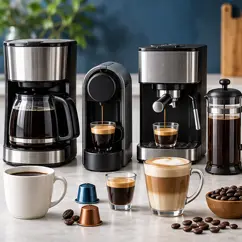
Drip machines make several cups at once, capsule machines prioritize speed, espresso-style machines create concentrated coffee, and manual brewers offer more hands-on control.
The brewing format determines the coffee you can make, the effort required, the ongoing cost, and how much counter space the setup needs.
List the drinks you prepare most often and how much time you want to spend measuring, grinding, frothing, and cleaning. Check whether proprietary capsules or special accessories are required.
Our view: Choose the simplest brewing method that consistently makes the coffee you actually drink. Do not pay for milk or espresso functions you rarely use.
- Capacity and Serving Size
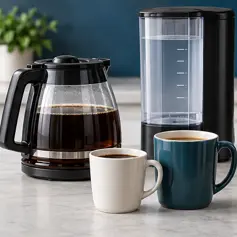
Capacity may be described in cups, milliliters, reservoir size, or carafe volume. A manufacturer's cup can be smaller than your usual mug.
An undersized machine forces repeat brewing, while an oversized carafe can waste coffee and occupy unnecessary space.
Before buying, Compare the stated volume with your mug and household routine. Check minimum batch size, single-cup options, water-level visibility, and whether the carafe pours cleanly.
For most homes, Buy for your normal weekday use rather than occasional visitors. Measure your favorite mug before trusting a cup count.
-Brewing Control and Consistency
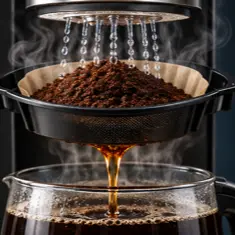
Water distribution, brew temperature, contact time, coffee grind, and dose influence extraction and flavor. Some machines add strength, temperature, or pre-infusion settings.
Extra controls are valuable only when the machine delivers repeatable results. Decorative presets cannot correct uneven water flow or stale coffee.
Check Look for a showerhead that wets the grounds evenly, clear coffee-to-water guidance, adjustable settings you will use, and credible performance testing for the exact model.
Our recommendation is simple: Prioritize consistent brewing and fresh coffee before a long feature list. A good grinder and repeatable measurements can matter as much as the brewer.
-Convenience and Daily Controls
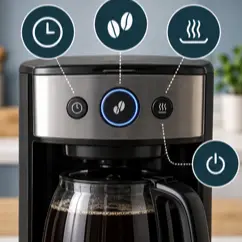
Timers, warming plates, automatic shutoff, pause-and-pour, removable reservoirs, milk systems, and programmable sizes can simplify a routine.
Convenience features save time only when they are intuitive. Complicated controls or inaccessible tanks can make everyday brewing more frustrating.
If possible, confirm Check button readability, timer setup, warming duration, automatic shutoff, reservoir access, cord length, noise, and whether essential functions work without an app.
A practical rule: Choose two or three features that solve real daily problems. Treat connected controls and extensive presets as optional extras.
-Cleaning Materials and Ownership Cost
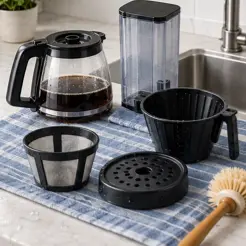
Coffee oils, mineral scale, milk residue, filters, capsules, seals, and removable parts all affect hygiene, taste, and running cost.
A difficult-to-clean machine may develop stale flavors or lose performance. Disposable pods, paper filters, descaling products, and replacement parts add recurring expense.
For Philippine buyers, check which parts detach, whether the carafe opening fits your hand, the descaling procedure, filter or capsule cost, replacement-part availability, warranty, voltage, and service support.
For long-term value, Choose a machine you can rinse after use and descale as instructed. Calculate consumable cost based on your actual cups per week.
Recommended by Use Case
For one fast cup. Quick warm-up and simple cleanup are more valuable than a large reservoir. If the machine uses capsules, calculate the cost per week and confirm that compatible pods are easy to buy locally.
For couples and families. Choose a carafe that matches normal breakfast use, not occasional visitors. A readable water level, programmable start, automatic shutoff, and clean pouring often matter more than specialty drink buttons.
For espresso and milk drinks. Allow space and budget for a capable grinder when the machine requires one. Pay close attention to milk-system cleaning, warm-up time, and whether the routine remains realistic on busy mornings.
For hands-on coffee enthusiasts. Favor useful control over grind, dose, water, temperature, and timing. Automation is optional; repeatability and easy access for adjustment are the features that make experimentation worthwhile.
Common Mistakes to Avoid
Choosing by appearance or feature count before deciding which coffee style and serving size you need.
Assuming the advertised cup count matches the volume of your everyday mug.
Ignoring cleaning access, descaling, milk residue, capsule or filter cost, and replacement-part availability.
Buying an imported machine without confirming voltage, plug type, warranty, and local service coverage.
Frequently Asked Questions
A basic drip or straightforward capsule machine usually requires the fewest steps. Ease also depends on filling the reservoir, loading coffee, emptying waste, and cleaning the parts you touch every day.
A glass carafe lets you see the coffee and commonly sits on a warming plate. A thermal carafe retains heat without continued heating, but it can be heavier and harder to inspect or clean. Choose based on how long coffee sits before serving.
No. Price can add build quality, controls, capacity, or automation, but fresh coffee, correct grind, suitable water, clean equipment, and consistent measurements strongly affect the cup
They can reduce preparation time and wasted coffee, but the cost per cup is often higher and capsule availability can lock you into one system. Compare the weekly cost with beans or ground coffee.
Related Buying Guides
Choosing an Induction Cooker for Everyday Home Cooking
Choose an induction cooker by checking cookware compatibility, power levels, controls, ventilation, electrical requirements, safety, and daily cooking needs.
Should You Consider a Low-Carb Rice Cooker?
A guide to low-carb rice cookers, including how starch-separation baskets work, realistic expectations, capacity, texture, cleaning, safety, and cost.
How to Choose the Right Multicooker for Your Home
A practical guide to choosing a multicooker by cooking method, usable capacity, pressure features, controls, cleaning effort, counter space, electrical requirements, and long-term upkeep.