
Should You Consider a Low-Carb Rice Cooker?
A guide to low-carb rice cookers, including how starch-separation baskets work, realistic expectations, capacity, texture, cleaning, safety, and cost.
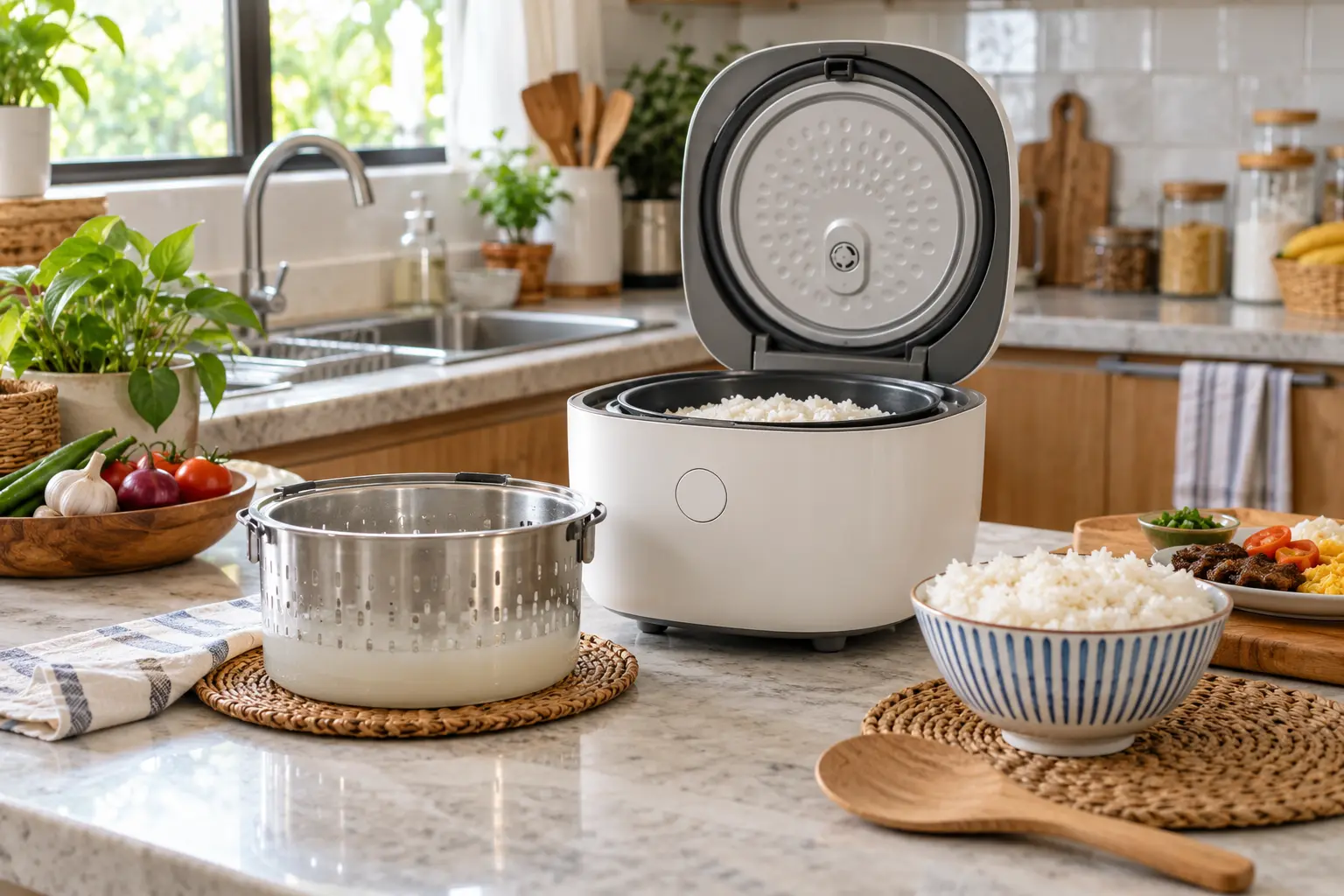
Image disclosure: All images in this article are AI-generated illustrations. Any people, products, interfaces, places, or scenes shown are fictional or generic and do not depict real individuals, specific commercial products or retailers, actual software interfaces, test or medical results, camera samples, or real-world events.
Introduction
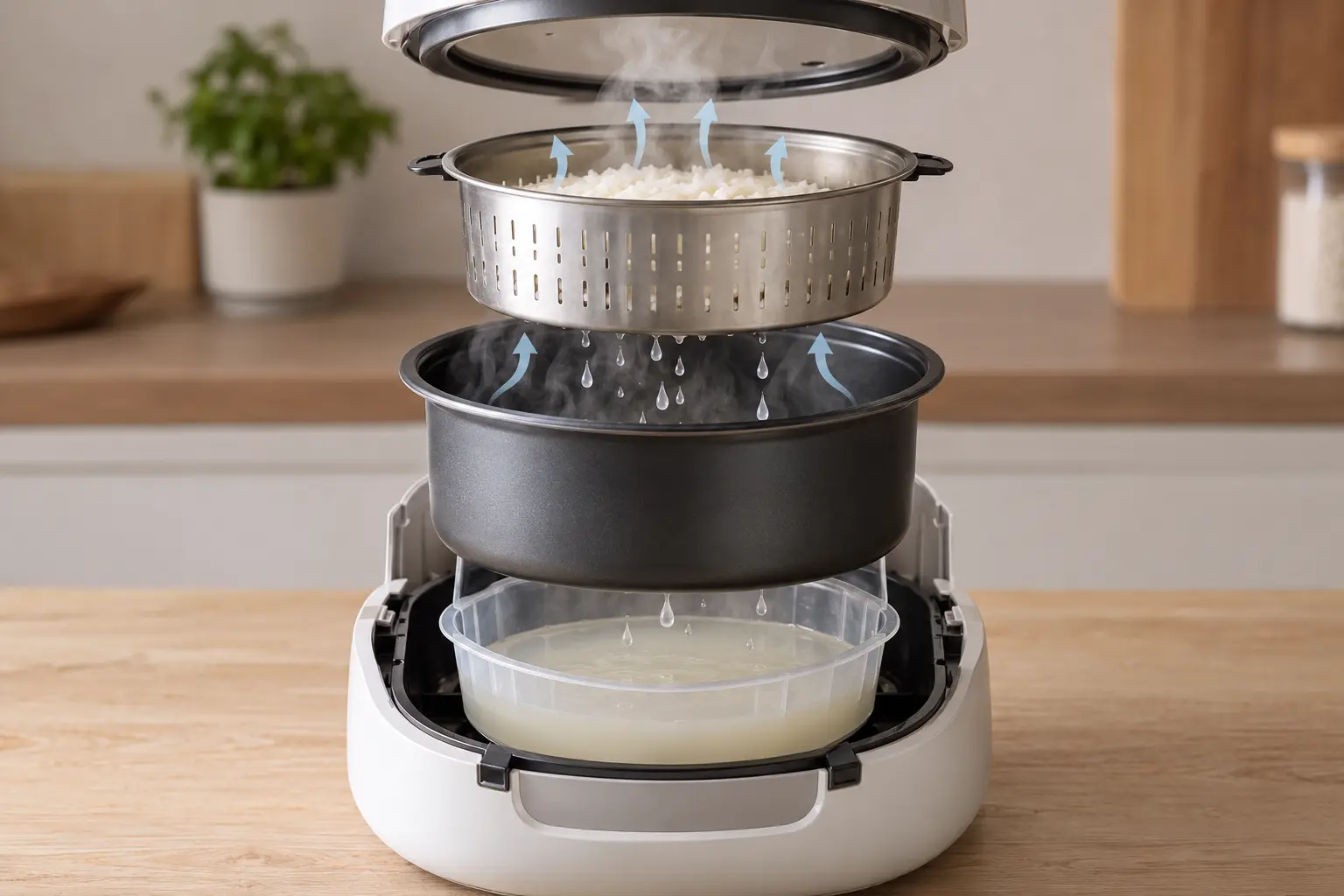
Low-carb rice cookers are promoted to households that want to change how they prepare rice without giving it up completely. Most use a perforated basket or a multi-stage cooking process intended to separate some starch-rich cooking liquid from the rice. The idea is easy to understand, but the result is not the same as removing all carbohydrates from a serving.
For Filipino households where rice is served daily, the more useful question is whether the appliance fits the family's eating plan, serving size, preferred texture, and budget. A low-carb mode may be worth considering, but advertised reduction percentages should be tied to a clear test method, rice type, water ratio, and serving basis. It should not be treated as a medical device or a replacement for portion control and professional dietary advice.
Key Factors to Consider
Factor | Why it matters | Quick tip |
|---|---|---|
Cooking method and evidence | Models separate cooking liquid in different ways, so results and texture can vary. | Look for a clear explanation of the method and credible model-specific test information. |
Low-carb capacity | The special basket often holds less rice than the cooker’s ordinary mode. | Compare usable low-carb servings, not only the headline litre capacity. |
Rice texture and taste | Extra water and drainage can produce softer, drier, or less aromatic rice. | Check instructions for jasmine, long-grain, brown, and mixed rice. |
Cleaning effort | Baskets, trays, steam vents, and starch collectors add parts that must be washed. | Choose smooth removable parts that are easy to reach and dry. |
Safety and controls | Steam, hot water, pressure, and electrical heat still require careful handling. | Check lid locking, stable handles, voltage, plug type, and local warranty. |
Total value | A higher price is worthwhile only if the special mode will be used regularly. | Compare it with a reliable conventional cooker plus planned portion control. |
Cooking method and evidence
Models separate cooking liquid in different ways, so results and texture can vary. Look for a clear explanation of the method and credible model-specific test information.
Think about how this point affects an ordinary weekday rather than an ideal demonstration. The feature should suit the household's usual batch, room, schedule, or serving pattern without adding avoidable work.
Low-carb capacity
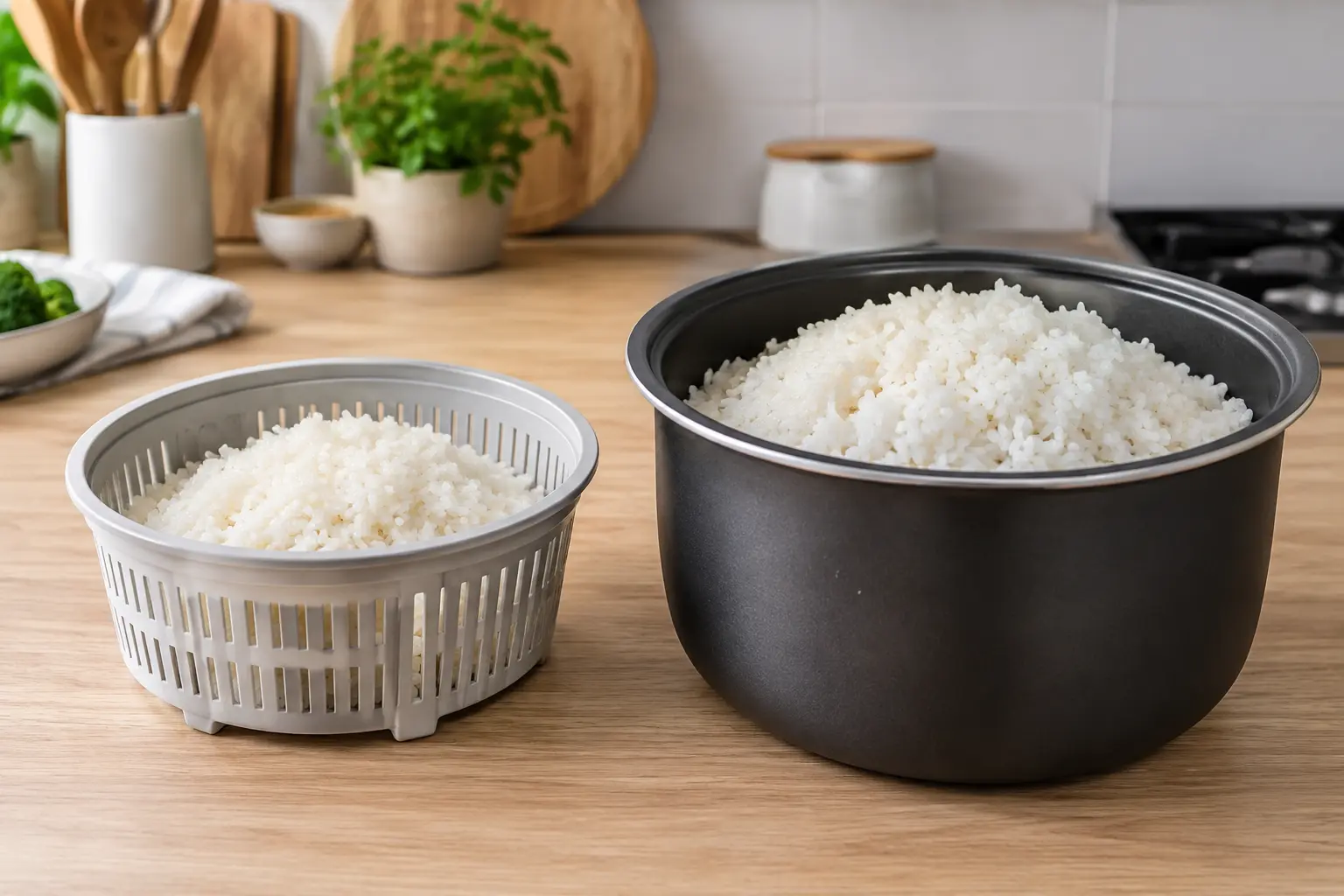
The special basket often holds less rice than the cooker’s ordinary mode. Compare usable low-carb servings, not only the headline litre capacity.
Marketplace listings often compress important conditions into a few words. Read the exact model manual or official specification so the limits, required accessories, and operating steps are understood before purchase.
Rice texture and taste
Extra water and drainage can produce softer, drier, or less aromatic rice. Check instructions for jasmine, long-grain, brown, and mixed rice.
Picture where the appliance will be placed, who will operate it, and what must happen before and after every use. A convenient feature can become frustrating when setup, storage, or cleanup does not fit the home.
Cleaning effort
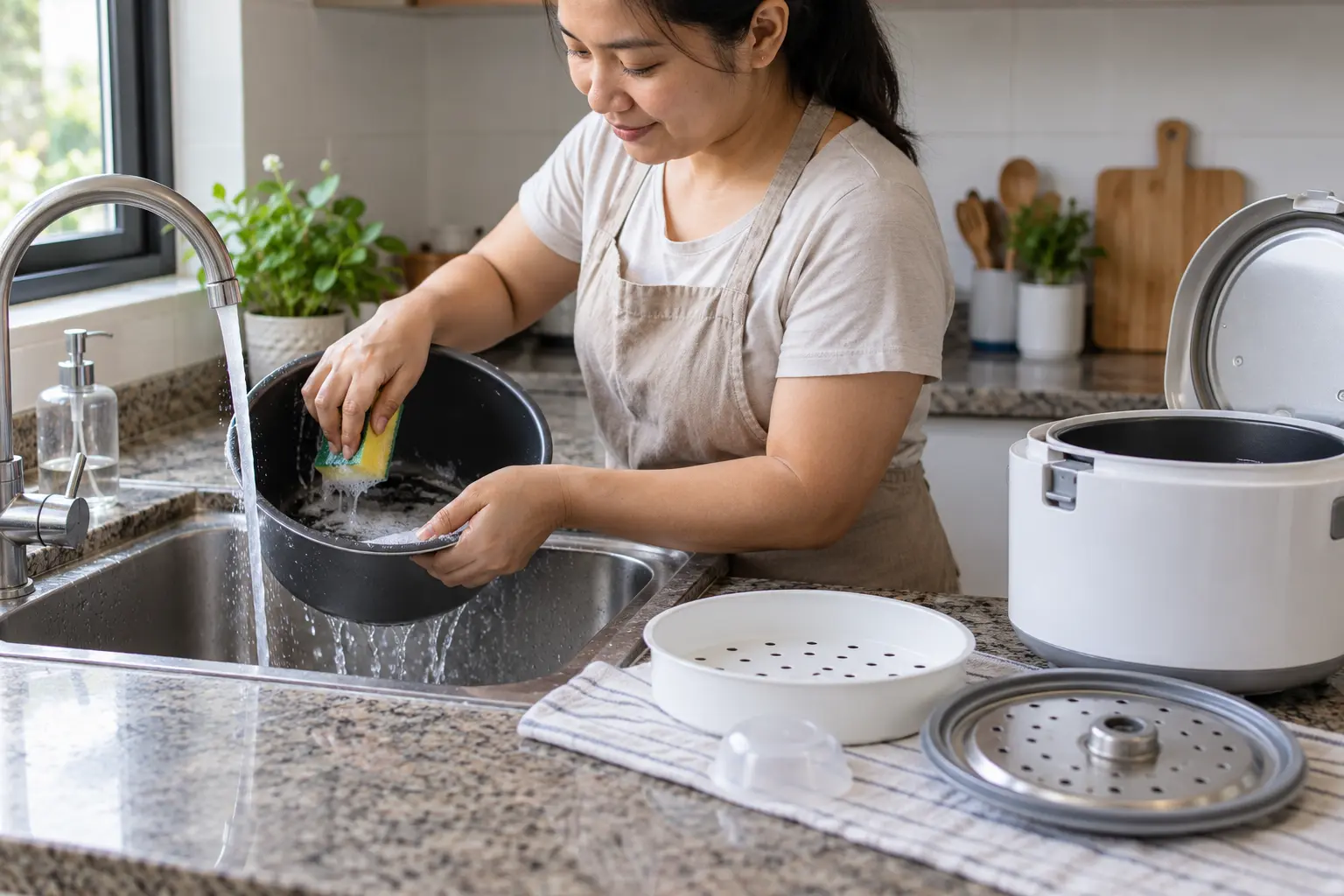
Baskets, trays, steam vents, and starch collectors add parts that must be washed. Choose smooth removable parts that are easy to reach and dry.
This feature adds value only when it works at the setting the household will use regularly. Give more weight to clear controls and repeatable everyday operation than to a dramatic claim shown under special conditions.
Safety and controls
Steam, hot water, pressure, and electrical heat still require careful handling. Check lid locking, stable handles, voltage, plug type, and local warranty.
Safety and maintenance belong in the buying decision, not only after delivery. Check the cleaning instructions, electrical requirements, ventilation or clearance, food-contact parts, and any warning that applies to the exact design.
Total value
A higher price is worthwhile only if the special mode will be used regularly. Compare it with a reliable conventional cooker plus planned portion control.
Finally, compare ownership rather than purchase price alone. Replacement parts, filters or accessories, electricity, water, cleaning effort, warranty coverage, and local service can change which model is genuinely sulit over time.
Recommended by Household Need
For a small householdPrioritize a genuinely small low-carb batch size and avoid a bulky machine that needs a full basket to work properly.
For a family that eats rice at every mealCheck whether the low-carb capacity can finish one meal without repeated batches.
For someone managing blood sugarTreat the cooker as one cooking option. Keep portions and the full meal in mind, and follow qualified medical or dietary advice.
For occasional useA removable starch basket inside a good conventional rice cooker may offer more flexibility than a specialized unit.
Common Mistakes to Avoid
Assuming low-carb rice is carbohydrate-free.
Comparing reduction percentages without checking the test method.
Using the ordinary capacity figure as the low-carb capacity.
Ignoring changes in texture, cooking time, and cleaning.
Treating the appliance as a substitute for medical guidance.
Buying a model without locally available parts or warranty support.
Questions to Ask Before Buying
Have I checked cooking method and evidence for the exact model and my normal household use?
Have I checked low-carb capacity for the exact model and my normal household use?
Have I checked rice texture and taste for the exact model and my normal household use?
Have I checked cleaning effort for the exact model and my normal household use?
Have I checked safety and controls for the exact model and my normal household use?
Have I checked total value for the exact model and my normal household use?
Are the voltage, plug, installation requirements, warranty, service centre, and replacement parts suitable for the Philippines?
XploreSulit Summary
A low-carb rice cooker can make sense for a household that understands its limits and will use the special basket regularly. Choose it for clear model-specific information, practical serving capacity, acceptable rice texture, manageable cleaning, and safe local support—not for a dramatic percentage printed without context.
Choose the simplest model that meets the real need and can be used, cleaned, stored, and maintained safely. Verify any model-specific specification or seller claim before adding a product or affiliate link to the published guide.
Editorial Notes
This is an independently edited, criteria-based buying guide—not a hands-on test or ranked product roundup.
Frequently Asked Questions
No. It may remove part of the starch dissolved during cooking, depending on the design and method, but the cooked rice still contains carbohydrates.
Not automatically. The serving size, rice variety, complete meal, and individual health plan still matter. Follow advice from a qualified healthcare professional.
Many models include a normal rice mode but confirm the exact programs and capacity before buying.
The starch-separation basket and extra water need space, reducing the amount of rice that can be cooked in that mode.
Related Buying Guides
Choosing an Induction Cooker for Everyday Home Cooking
Choose an induction cooker by checking cookware compatibility, power levels, controls, ventilation, electrical requirements, safety, and daily cooking needs.
How to Choose the Right Multicooker for Your Home
A practical guide to choosing a multicooker by cooking method, usable capacity, pressure features, controls, cleaning effort, counter space, electrical requirements, and long-term upkeep.
Selecting a Coffee Maker That Fits Your Daily Routine
A practical guide to selecting a home coffee maker based on brewing method, suitable capacity, consistent coffee quality, everyday convenience, cleaning needs, and long-term cost.